A garden's footprint
doesn't end at handover.
Most of a garden's environmental impact happens after it's planted — in how much water it needs, how often it's mowed, and whether its plants survive long enough to matter. This page is our honest account of how we think about that, including where we still have work to do.
Right plant,
right place, every time.
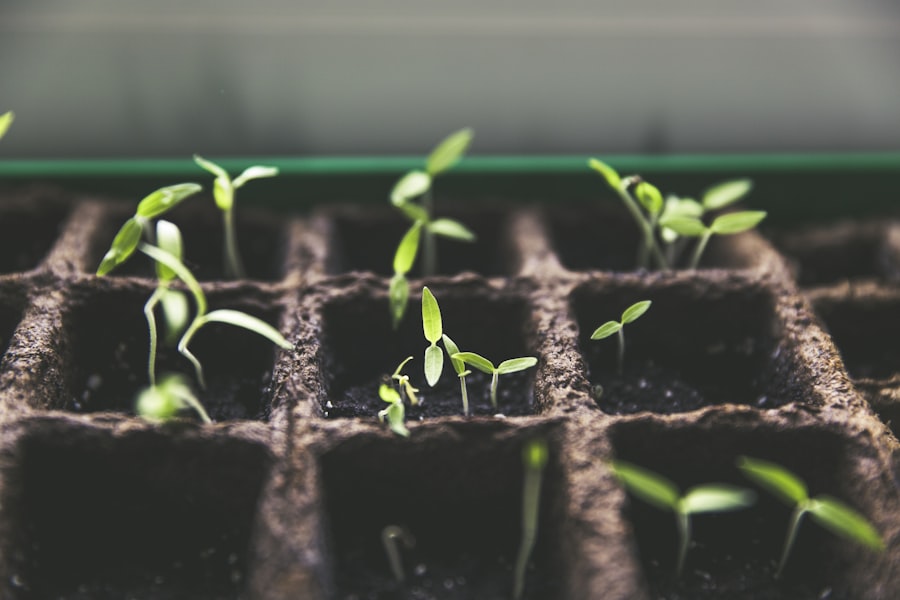
Our planting plans start from climate and soil — not from a fixed "house style" of plants we apply everywhere. In Dubai that means arid-adapted palms and grasses; in Surrey it means hornbeam, yew and damp-tolerant perennials. The common thread is matching the plant to the place it'll actually grow.
- Native and regionally-native species are the default starting point for every planting plan.
- Non-native species are used where they offer genuine benefit (shade, screening, seasonal interest) and are checked against invasive species lists for the region.
- Our UK nursery propagates a portion of each project's specimen planting in advance, reducing transport distance and giving plants a head start before they reach site.
Irrigation designed
like a budget, not an afterthought.
Every planting plan comes with a water budget: an estimate of how much irrigation each zone will need at maturity, based on plant choice, soil type and local climate data. That budget shapes the planting plan — it isn't calculated after the fact to justify it.
- Drip irrigation is the default for planting beds; spray irrigation is reserved for turf areas only, and only where turf is genuinely needed (play lawns, sports use).
- Systems are zoned by plant water-need, not just by area — so a hedge and a perennial border on the same side of the garden can run on different schedules.
- Where local conditions allow, controllers are linked to weather data so schedules adjust automatically for rainfall.

What goes in,
and what doesn't go to landfill.
Hardscaping materials carry a real embodied footprint — quarrying, processing and transporting stone is energy-intensive regardless of how the finished garden performs. We can't make that footprint zero, but we can be deliberate about it.
- Regionally-quarried stone is specified as standard, with imported stone used only where a client specifically requests a material unavailable locally.
- Excavated soil and reclaimed paving are reused on site wherever the design allows — for level changes, planting mounds or sub-base — before new material is brought in.
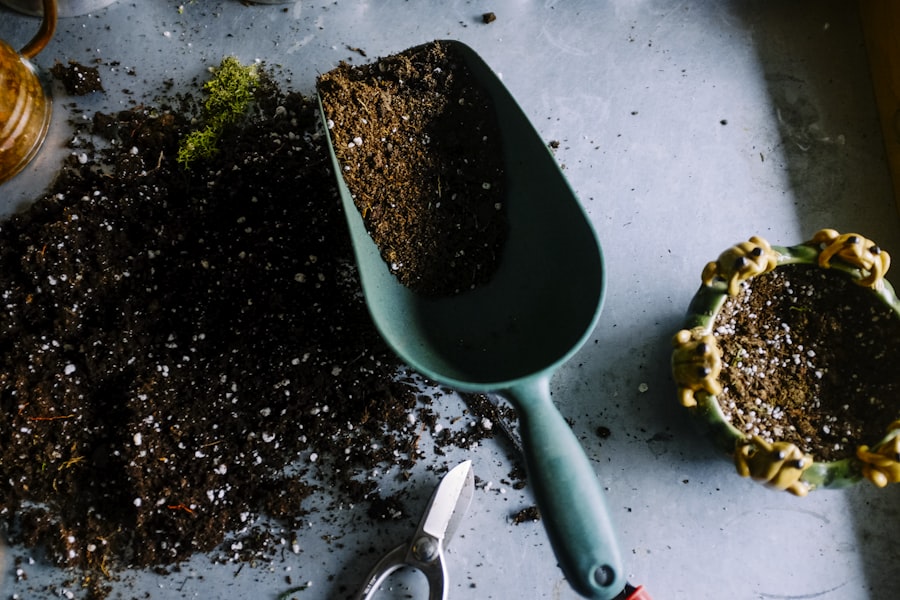
- Green waste from planting and maintenance is composted on site where space allows, and the resulting compost is worked back into beds the following season.
What we can promise —
and what depends on the site.
We'd rather be specific about this than make a blanket claim. Here's how our standard approach applies across project types.
| Practice | Private gardens | Private estates | Hospitality / commercial |
|---|---|---|---|
| Native-first planting plan | Standard | Standard | Standard |
| Site-specific water budget | Standard | Standard | Standard |
| On-site composting | Where space allows | Standard | Site-dependent |
| Regionally-quarried hardscape | Standard | Standard | Subject to brand/material specs |
| Pre-grown specimen planting | Where lead time allows | Standard | Project-dependent |
| Dark-sky compliant lighting | Available on request | Available on request | Where required by ordinance |
Affiliations & frameworks.
RHS Partner Nursery Network
Our UK propagation nursery is part of the RHS partner network for plant sourcing standards.
LEED-Aligned Design Practices
Our landscape water-efficiency approach is designed to align with LEED outdoor water use credits, applied on a project-by-project basis.
ASLA Affiliate Members
Our design directors hold individual affiliate memberships with the American Society of Landscape Architects.
Society of Garden Designers
Founding director Eleanor Voss is a registered member of the UK Society of Garden Designers.
Have a site with
specific constraints?
Drought conditions, conservation requirements, strict water allowances — tell us about your site's constraints before the first design conversation, and we'll come prepared.